Neighborhood Group Chat Slowly Radicalizes Itself
The neighborhood group chat was created to coordinate leaf pickup. This goal was declared in the inaugural message, which included a spreadsheet, a color‑coded map, and a reminder that “this is not for general discussion.”
Within forty‑eight hours, the chat had become a proto‑government. The first shift occurred when a member proposed a “temporary emergency curfew for off‑leash pets.” The justification was vague—something about “maintaining order during leaf season”—but the motion passed with nine thumbs‑up emojis and one heart.
A subcommittee formed immediately to define “off‑leash,” “pet,” and “emergency.” Their findings were inconclusive, despite producing a seventeen‑page PDF.
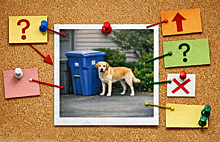
Soon after, someone posted a blurry photo of a dog near the recycling bins. The dog was not doing anything illegal, but the image triggered a wave of concern about “bin integrity.”
A task force was assembled to investigate who kept placing non‑recyclables in the blue bin. The task force requested subpoena power. No one objected.
By week three, the chat had adopted bylaws. These were drafted by a self‑appointed Governance Working Group, which insisted that the neighborhood required “a more formal structure to support its informal structure.”
The bylaws included attendance requirements for virtual meetings, a dress code for yard work, and a clause allowing the group to issue “advisories” about suspicious pet behavior.
The chat group’s tone grew increasingly administrative. Members began referring to their homes as “districts.” A neighbor who failed to respond to a poll within the allotted time was labeled “noncompliant.” Someone suggested a neighborhood census “to ensure accurate representation.” Someone else proposed term limits for people who posted too many GIFs.
The group’s original purpose—leaf pickup—was now considered too sensitive to discuss without proper oversight. A Leaf Management Council was established. It immediately declared a state of heightened alert due to “unpredictable wind patterns.”
By the end of the month, the group chat had become a bureaucratic shadow government. It issued weekly bulletins, maintained a grievance portal, and debated whether to adopt a flag. Members spoke of “jurisdiction,” “enforcement capacity,” and “the need for a unified pet policy.” No one remembered who had created the chat, but everyone agreed that its authority was absolute.
Leaf pickup never occurred, but the neighborhood had achieved something far more powerful: governance where none had been required, requested, or remotely appropriate.
For more red-hot dispatches from a culture in decline, click here and run for cover.