How to Spot a Scam
Among the skills required for survival In the postmodern age, few are more important than how to spot a scam that arrives to seduce you out of your banking information while you are simply trying to enjoy a ham on rye.
If an individual claiming to be your banker begins a conversation by addressing you as “Most Honorable Galactic Sovereign,” chances are he is somewhere in Nigeria. A representative from your local branch bank rarely acknowledges your divine right to rule the Andromeda Galaxy before asking for your social security number.
You should also be wary if the urgent notification regarding your account arrives via carrier pigeon, one that has been painted neon orange and outfitted with a tiny, vibrating pager. Digital security is complex, but it seldom involves bioluminescent poultry to deliver a message about an unauthorized charge at a waffle house in Nebraska.
If the email you receive contains more exclamation points than letters, you are dealing with a fraudulent actor. A legitimate bank will never inform you that your savings account is “UNDER SIEGE BY INVISIBLE GOBLINS!!!!!!!!!!”; nor will the bank suggest that the only way to repel these spirits is by sending ten thousand dollars in Target gift cards to an address in the Cayman Islands.
A suspicious sign often overlooked is when the person calling refuses to speak in anything but operatic Italian. If a representative from the fraud department breaks into a passionate aria regarding the beauty of your checking account and the tragic necessity of sharing your password, you are likely being serenaded by a swindler.
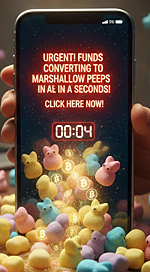
Pay close attention if you receive a text message warning that your funds will be converted into marshmallow peeps if you do not click a link within the next ten seconds. While the economy is volatile, the physical transformation of liquid assets into sugary confectionery remains a rare occurrence in the traditional banking sector.
It is also a significant red flag if the person on Instagram asking for your login credentials claims to be your long-lost twin brother who was raised by a colony of sophisticated, high-frequency-trading squirrels. Even if you did have a twin who excelled in rodent-based arbitrage, he would likely contact you through a more dignified medium than a direct message featuring three fire emojis and a picture of a gold-plated acorn.
Should a caller demand that you verify your identity by reciting the entire plot of a 1970s soap opera in reverse, hang up. Real security protocols are tedious and involve mother’s maiden names, not the intricate narrative arcs of “General Hospital” performed as a rhythmic chant.
Another warning sign is when the email sender uses a profile picture consisting entirely of a single, unblinking human eye. While financial institutions enjoy surveillance, they usually attempt to mask their omnipresence with stock photos of diverse families smiling at a tablet in a sun-drenched kitchen.
Be cautious if the “urgent” request for your banking information is written in a font that appears to be dripping with digital blood. Most reputable lenders favor Helvetica or Times New Roman, as they find that “Vampire Gothic” tends to alienate the average mortgage seeker.
Finally, if the person contacting you insists that your bank account has been moved to a different dimension and can only be accessed by whispering your PIN into a hollowed-out gourd during a lunar eclipse, it is safe to assume they do not work for the institution where you keep your car payment.
Want more digital blasphemy? If your happy place is watching Ferrari-driving tech gods get their tires deflated, and silicon saints taken down a peg, help yourself to more technology mayhem.