The Most Embarrassing Animal Parts We Still Eat
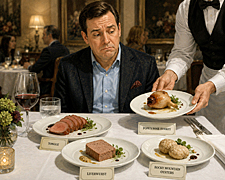
The global food industry faced renewed scrutiny this week following the publication of a culinary ethics report issued by the International Council for Responsible Consumption (ICRC). Entitled “The Most Embarrassing Animal Parts We Still Eat,” this 214-page review asks, with mounting concern, whether certain cuts of meat survive primarily because nobody calls them what they are.
The ICRC report identifies several menu staples that have benefited from strategic rebranding, including sweetbreads (the thymus gland or pancreas), head cheese (meat suspended in gelatin from the head of a pig or calf), rocky mountain oysters (bull testicles), and the pope’s nose, a small fatty nubbin located near a turkey’s or chicken’s butt that experts describe as “surprisingly flavorful considering the circumstances.” Researchers describe these re-brandings as “compelling evidence” that language remains humanity’s most important seasoning.
“Human beings will eat almost anything provided the wording is handled delicately, the dish is served on reclaimed wood, or a waiter describes it as ‘rustic,’” said Dr. Leonard Voss, 58, professor of edible denial at the Midwestern Institute of Behavioral Consumption. “The entire history of cuisine is basically a series of euphemisms standing between appetite and self-control.”
One focus group participant, Denise Harrow, 41, admitted she had eaten lengua de res for years until someone used the phrase “cow’s tongue” within earshot. “That changed the emotional temperature immediately,” she said.
Restaurants have responded to the ICRC report defensively. A coalition of upscale gastropubs issued a statement insisting that modern diners “value nose-to-tail sustainability,” although investigators noted this enthusiasm declines sharply once the tail becomes visually identifiable.
The ICRC reserved special attention for liverwurst, which researchers described as “less a food than an unresolved family memory,” and for chicken gizzards, which continue to exist largely because every generation assumes the previous one must have had a reason.
Meanwhile, younger consumers appear increasingly open to culinary experimentation, particularly if the menu includes words like artisanal, heritage, or foraged. Industry analysts believe this could pave the way for a new era of elevated discomfort.
At press time, several restaurants had already begun replacing the phrase “fried animal cartilage” with “chef-curated textural experience.”
Explore the rest of the Foods for Thought menu here.
Read about Pope’s Nose Turkey Day here.
Looking for the worst chili recipes of all time? click here.