Roadkill Management Program Debuts in Pennsylvania
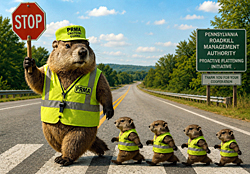
In a move described as “a long-overdue rethinking of the transportation landscape,” the Pennsylvania Roadkill Management Authority (PRMA), headquartered in Harrisburg, has announced its Proactive Flattening Initiative, a pilot program designed to “bring order and predictability to the interactions between wildlife and state roadways.”
According to PRMA spokesperson Linda Harrow, 58, senior public-interface coordinator, the initiative will “shift the state from a reactive cleanup model to a forward-looking, efficiency-driven approach to roadside animal management.”
Harrow, who is known for her ability to identify any bird from a single squawk, explained that under the new system, animals “likely to wander near traffic corridors” will be identified through predictive analytics and gently guided toward monitored observation zones where their movements can be better anticipated.
“We’re not luring them,” Harrow emphasized. “We’re simply providing mobility nudges.” Though she declined to elaborate on the nature of those nudges, she described them as “fully humane, insofar as the animals are not placed in situations requiring formal complaints.”
Pennsylvania residents expressed mixed reactions to the plan.
“I don’t love the idea of the state pre-managing wildlife movement,” said Greg Turlington, 43, an HVAC estimator who claims he can smell when a traffic light is about to turn yellow. “But if it reduces my commute by six minutes, I can live with it.”
Another resident, Marcy Dole, 71, a retired sales clerk who insists she once saw a groundhog reading a warranty card, worried the program would create “aesthetic monotony,” noting that “variety is the soul of roadside scenery.”
The PRMA insists the initiative will improve roadway safety, reduce cleanup costs, and “bring consistency to an otherwise unpredictable natural process.”
Environmental groups have raised concerns that the program could affect local ecosystems. Harrow countered that the PRMA has partnered with the Department of Sustainable Tourism in Philadelphia to explore “roadside-wildlife heritage trails,” which she described as “a celebration of Pennsylvania’s long, proud tradition of human-nature interaction.”
Asked whether the Roadkill Management initiative might face legal challenges, Harrow remained confident.
“We’ve consulted with experts in transportation, ecology, and administrative overreach,” she said. “All agree the state has broad authority to manage anything that wanders too close to a painted line.”
The PRMA pilot program begins July 1, with full implementation expected by fall’s peak season for both foliage and “wildlife-roadway interaction event.”
Officials stressed that the initiative’s ultimate goal is not to control nature, but merely to make it easier to categorize, regulate, and discuss in quarterly reports.
The Pug Bus News Desk contains a curated list here of the best of the worst news that’s unfit to print.
All the red-hot news dispatches delivered red handed here. You’ll be sorry you looked.